
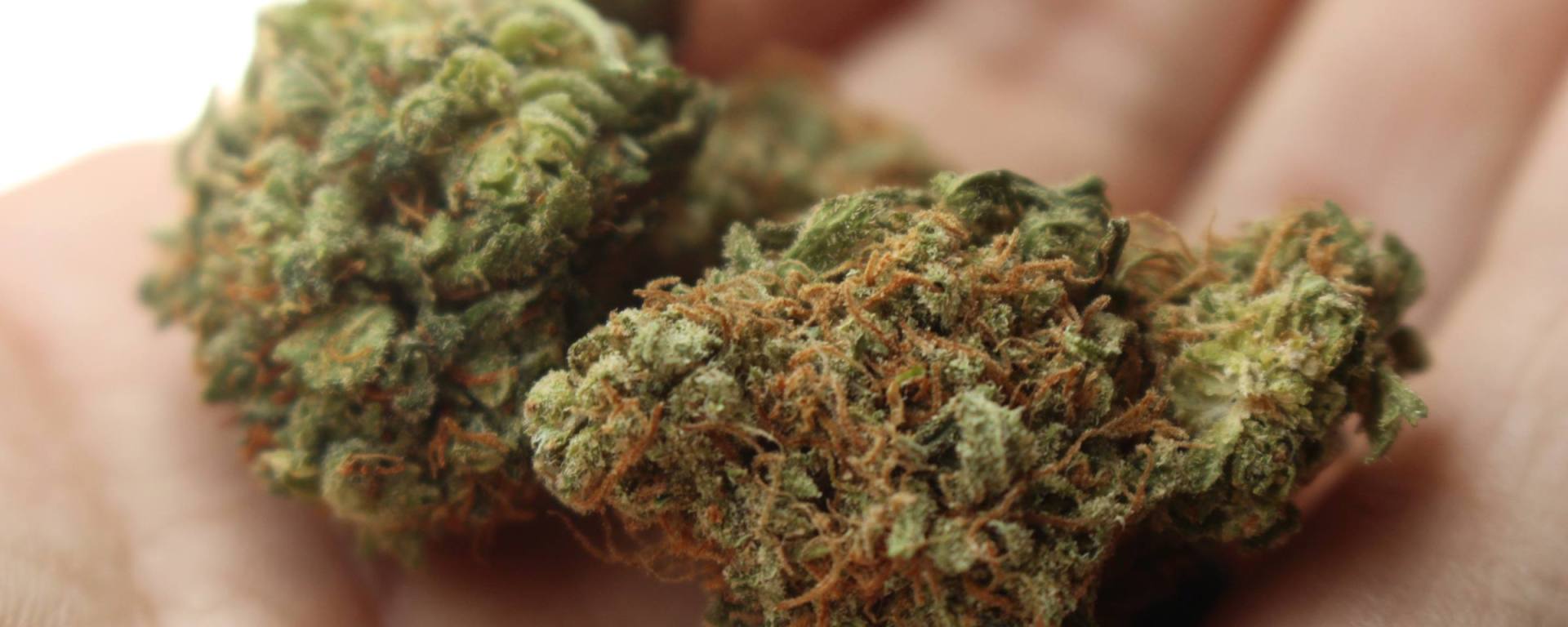
The journey of CBD products in the UK is an impressive transformation that spans several stages, from cultivation to the final product on store shelves. As one of the most talked-about wellness trends in recent years, CBD, or cannabidiol, has garnered widespread attention for its potential therapeutic benefits. But how do these products, which are derived from hemp plants, make their way from the farm to the market? Let’s explore the key stages of this journey.
1. Cultivation: The First Step in the Journey
The journey of CBD products begins at the source—the hemp plant. Hemp is a variety of the cannabis plant that contains less than 0.2% THC (tetrahydrocannabinol), the compound responsible for the “high” typically associated with cannabis. This low THC content makes hemp ideal for CBD production, as it ensures that the final product will not have psychoactive effects.
In the UK, the cultivation of hemp is regulated by the government. Farmers must apply for a license through the Home Office to grow hemp, ensuring that the crop complies with the legal THC limit. The growing process typically involves cultivating the hemp in well-drained soil, as it requires minimal attention compared to other crops. Hemp plants are known for their resilience, making them a sustainable choice for farming. Once harvested, the hemp plants are processed to extract the CBD.
2. Extraction: Isolating the CBD
Once the hemp plants are harvested, the next step is extracting the CBD. There are several methods of extraction, with the most common being CO2 extraction, solvent extraction, and oil infusion. CO2 extraction is considered the most effective and safest method for producing high-quality CBD, as it involves using pressurized carbon dioxide to separate CBD from the plant material without using harmful chemicals.
The extraction process results in a concentrated CBD oil that can be further processed into various forms, such as tinctures, capsules, edibles, or topicals. During this stage, other beneficial compounds, such as terpenes and flavonoids, may also be preserved, as they are thought to enhance the effects of CBD in what is known as the “entourage effect.”
3. Testing and Quality Control: Ensuring Purity and Safety
Quality control is a critical stage in the CBD journey. In the UK, CBD products are classified as “novel foods,” meaning they must meet specific safety and quality standards before they can be sold to consumers. This includes testing for contaminants, such as heavy metals, pesticides, and residual solvents from the extraction process, as well as verifying that the CBD content is accurately labeled.
Third-party lab testing is a common practice to ensure transparency and verify the potency of the CBD. Reputable manufacturers will provide consumers with a Certificate of Analysis (COA), which details the results of the lab tests. These tests not only confirm that the product contains the advertised amount of CBD but also ensure it does not exceed the legal limit of THC in the UK, which is 0.2%.
4. Product Formulation: Creating the Final Product
Once the CBD oil has been extracted and tested, it is ready to be formulated into a final product. This can include a wide range of products, such as CBD oils, tinctures, creams, capsules, gummies, or even beverages. The formulation process involves mixing the CBD extract with other ingredients to create a product that is both effective and safe for consumption.
In the UK, CBD products must comply with the Food Standards Agency (FSA) guidelines. The FSA has set up regulations to ensure that manufacturers follow the correct safety protocols, including ingredient transparency and dosage recommendations. Companies must also submit their CBD products for pre-market approval, and any new CBD products must undergo rigorous testing to ensure they meet safety and quality standards.
5. Distribution and Retail: Reaching the Consumer
Once the products are formulated, they are ready for distribution. Many CBD brands in the UK sell their products online, making it convenient for consumers to browse and purchase from the comfort of their homes. CBD products are also available in physical retail stores, including health food shops, pharmacies, and even some supermarkets. Large retailers like Boots and Holland & Barrett have embraced the popularity of CBD by stocking a wide range of CBD products.
In addition to traditional retail, CBD is gaining popularity in wellness spaces, such as spas and fitness centers, where people use CBD topicals or oils for relaxation and muscle recovery. The growing consumer demand for CBD has led to an expansion of its availability, with new brands and product types emerging regularly.
6. Consumer Use: The Final Step in the Journey
The final step in the journey is when consumers purchase and use CBD products. For many, CBD offers a natural option for managing various health concerns, such as anxiety, sleep disorders, and chronic pain. However, it is essential for consumers to choose high-quality products and be mindful of dosage. The Food Standards Agency (FSA) advises that consumers should not exceed 70mg of CBD per day unless otherwise directed by a healthcare professional.
CBD is generally well-tolerated, but as with any supplement, it is important for users to be aware of how their body responds to different doses. For those who are new to CBD, starting with a low dose and gradually increasing it while monitoring effects is a common approach.
Conclusion: A Thriving Industry with Room for Growth
The journey of CBD products in the UK is a testament to the growing demand for natural wellness solutions. From its humble beginnings on the farm to its current status as a mainstream product on the market, CBD has come a long way. As the industry continues to grow, it is essential for consumers to stay informed about the quality and safety of the products they use. With the right regulations, transparency, and consumer education, the journey of CBD in the UK is set to thrive for years to come.
 hemplife.poetry.blog